
Wild Animals
How Fast Can A Lion Run? ALL You Need To Know (2023)


Last Updated on June 10, 2023 by israel olaniran
When it comes to speed in the animal kingdom, few creatures can match the remarkable velocity of the lion, the undisputed king of the savannah. Lions are known for their majestic presence and powerful roars, but their incredible speed is often overlooked. In this article, we will delve into the anatomy, adaptations, and average speeds of lions, while also addressing frequently asked questions like how fast can a lion run?
Read: do snakes eat bananas?
How Fast Can A Lion Run?
lions typically run at speeds between 50 and 60 kilometers per hour (31-37 miles per hour) when chasing down prey or during short bursts of speed. It is important to note that individual lions may exhibit slight variations in their speed capabilities.
Calculating the exact speed of a lion can be challenging, as it depends on various factors such as terrain, distance, and motivation. However, researchers have conducted studies and observations to estimate the average speed of lions.
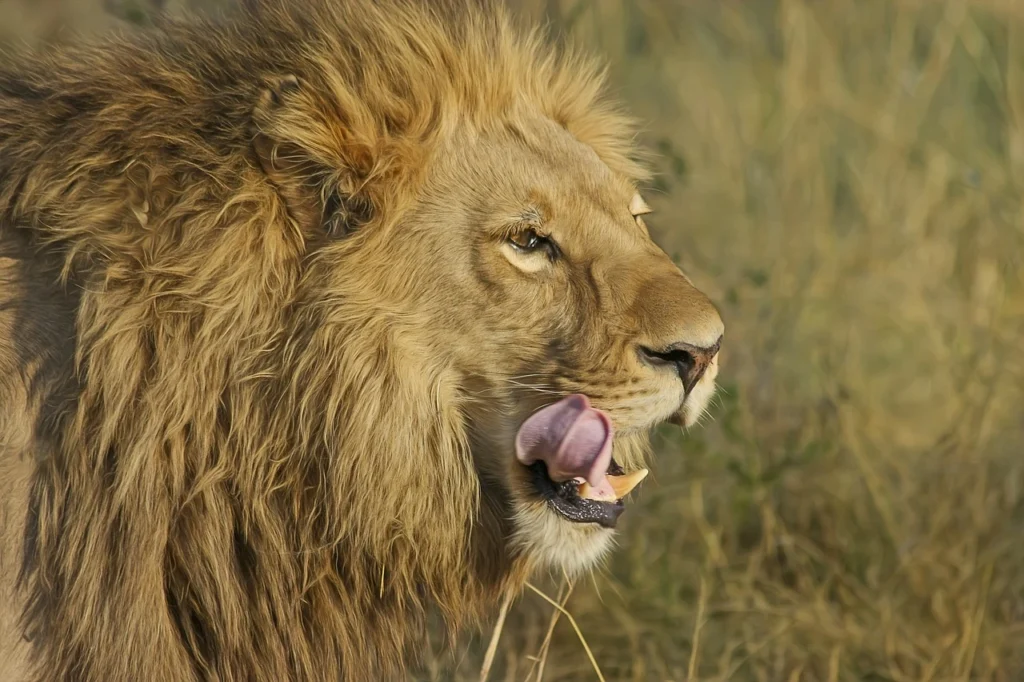
Lions possess a set of physical characteristics that contribute to their impressive speed. With muscular limbs and strong, flexible spines, lions are built for agility and acceleration. Their long strides and powerful paws provide a solid foundation for swift movements, allowing them to cover ground rapidly. Additionally, lions have highly developed thigh muscles, enabling them to achieve bursts of incredible speed when pursuing prey.
Read: how much does a lion cost?
How long can a lion run without stopping?
Lions are capable of running for short distances at high speeds, but they are not built for long-distance running. Typically, lions can maintain their speed for up to a few hundred meters (yards) before needing to slow down or stop. Their muscular physique and explosive bursts of speed are better suited for ambush-style hunting rather than prolonged chases.
Read: snake poop image
Lion vs Cheetah? Who Is Faster?
While lions are impressive runners, they are not the fastest animals in the animal kingdom. The cheetah, for instance, holds the title for the fastest land animal, with speeds that can exceed 100 kilometers per hour (62 miles per hour) during sprints. However, lions possess remarkable endurance and are capable of maintaining their speed over longer distances compared to the cheetah. Lions also exhibit superior acceleration and agility, allowing them to outmaneuver many of their prey species, such as gazelles.
🐾 Are you a dog owner who wants to ensure your dog gets the absolute best in terms of nutrition?

Read: what animals eat snakes?
Frequently Asked Questions (FAQs) about Lion Speed:
How fast can a lion run?
Lions can reach speeds of approximately 50 to 60 kilometers per hour (31-37 miles per hour) during short bursts.
Can a lion outrun a human?
Yes, lions can easily outrun humans, as the average human running speed is around 20 kilometers per hour (12 miles per hour).
Can a lion catch its prey easily with its speed?
While speed is a crucial asset for hunting, a lion’s success in catching prey depends on several factors, including strategy, teamwork, and the element of surprise.
How does a lion’s speed help in hunting?
Lions utilize their speed to chase down and close in on their prey, increasing their chances of a successful hunt. Their bursts of speed are often crucial for capturing agile prey animals.
Is a lion faster than a tiger?
No, a lion is not faster than a tiger. Tigers are known for their exceptional speed and agility. They are capable of reaching speeds of up to 50 to 60 kilometers per hour (31-37 miles per hour), similar to lions. While both lions and tigers have comparable speeds, the tiger’s slender body and muscular structure give it a slight advantage in terms of overall agility and maneuverability.
How fast is a lion and a tiger?
Both lions and tigers can reach speeds of approximately 50 to 60 kilometers per hour (31-37 miles per hour). Their running speeds are quite similar, reflecting their shared evolutionary adaptations for hunting and survival in their respective habitats. However, it is important to note that individual animals may exhibit slight variations in their speed capabilities.
Final Thoughts On How Fast Can A Lion Run?
Lions, with their majestic presence and awe-inspiring roars, are not only the kings of the savannah but also formidable runners. Their muscular limbs, long strides, and powerful paws enable them to reach impressive speeds of up to 50 to 60 kilometers per hour (31-37 miles per hour). While not the fastest land animals, lions possess a unique combination of speed, endurance, and agility that makes them exceptional predators. Understanding the capabilities of lion speed adds to our appreciation of their remarkable place in the animal kingdom.


Last Updated on February 14, 2024 by israel olaniran
When it comes to the animal kingdom, colors play an essential role in distinguishing various species and even conveying crucial messages. Among the magnificent creatures that roam the earth, elephants stand tall with their majestic presence.
While most people might think of elephants as being simply grey, there is more to their color palette than meets the eye. In this article, we delve into the intriguing world of elephant colors, exploring the hues that adorn these gentle giants.
Read: how much does an elephant cost?
What Colors Are Elephant?
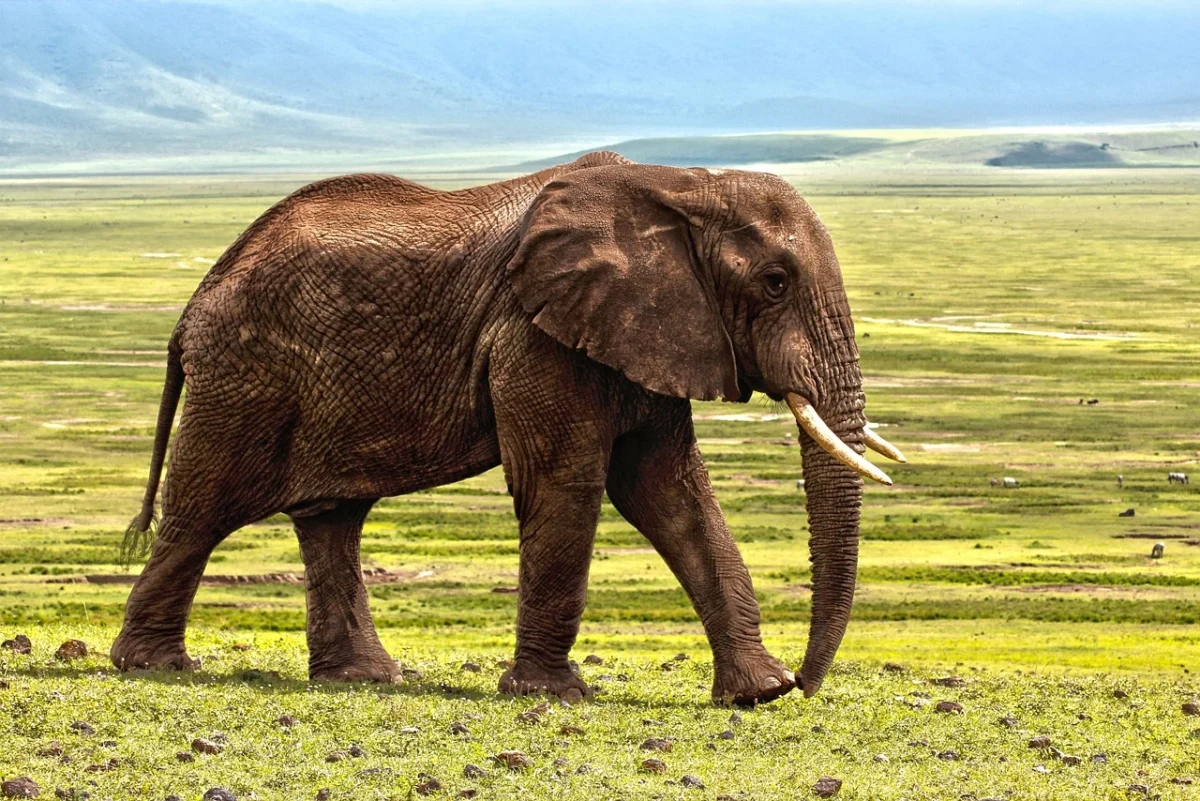
Elephants exhibit a range of colors, with African elephants typically displaying shades of grey, ranging from light to dark, and sometimes even appearing brown. On the other hand, Asian elephants boast a lighter grey skin color, with occasional patches of pink in specific areas such as behind their ears and on their trunks.
Notably, baby elephants are born with a reddish-brown or orange hue, providing camouflage within their environment, which gradually darkens and transitions to their species’ characteristic color as they mature. These magnificent creatures, adorned in their distinctive hues, continue to captivate the hearts of people worldwide.
Elephant Species and General Characteristics
Elephants belong to two main species: African elephants (Loxodonta africana and Loxodonta cyclotis) and Asian elephants (Elephas maximus). These awe-inspiring creatures boast an impressive size, with thick, wrinkled skin, elongated trunks, and large, ivory tusks (in some cases). But what about their colors?
Read: how much does a lion cost?
Skin Color Variation in Elephants
At first glance, elephants might appear predominantly grey, but their skin colors can exhibit subtle variations. These colors are not simply for aesthetics; they serve important purposes in their natural habitats.
Read: how much does a tiger cost?
🐾 Are you a dog owner who wants to ensure your dog gets the absolute best in terms of nutrition?
African Elephants: Grey and Brown Shades
African elephants, the largest land animals on earth, are renowned for their distinguished grey skin. However, their skin color isn’t a simple, uniform shade. The skin of African elephants can range from light grey to dark grey, even appearing brown at times. This color variation not only aids in camouflage within their habitats but also helps regulate body temperature.
The earthy hues of African elephants are further enhanced by their love of dust and mud baths. These playful activities serve a dual purpose: cooling off in the scorching African sun and adding an extra layer of color as a protective barrier against the harsh elements.
Asian Elephants: Light Grey and Pink Patches
In contrast to their African counterparts, Asian elephants flaunt a lighter shade of grey. Their skin often appears smoother, with occasional patches of pink. The pink patches are more prominent in certain areas, such as behind their ears and on their trunks.
The unique pink patches on Asian elephants’ skin are thought to be a result of increased blood circulation beneath the skin. Just like African elephants, Asian elephants also enjoy dust baths, which help maintain their distinctive skin color while keeping pesky insects at bay.
Baby Elephants: Born with Different Colors
Curiously, baby elephants are not born with the same skin color as adults. Instead, they sport a reddish-brown or orange hue, which might surprise some. This distinct coloration is perfectly suited to the young ones, as it provides them with camouflage within their surroundings.
As baby elephants grow older, their skin gradually darkens and takes on the color typical of their species. This transformation is one of the many wonders of nature.
Factors Affecting Elephant Skin Color
Several factors influence the skin color of elephants, both young and old. Age, diet, and overall health can contribute to variations in skin color. Elephants that have access to a diverse and nutrient-rich diet tend to display healthier skin, while those lacking proper nutrition might exhibit paler shades.
Furthermore, the environment in which elephants live plays a crucial role. A healthy and vibrant habitat translates to healthier and more colorful elephant skin.
Human Interaction and Elephant Skin Color
Unfortunately, human activities have also impacted elephant populations and, consequently, their skin color. Pollution, deforestation, and climate change have led to habitat degradation, affecting the overall health of elephant herds. Poaching, driven by the illegal ivory trade, has also harmed elephant populations, making it vital to protect these magnificent creatures and their environment.
Read: how much does a bear cost?
Symbolism and Cultural Beliefs About Elephant Colors
Elephants hold significant cultural symbolism in various parts of the world. In some cultures, their colors are associated with prosperity, wisdom, and good fortune. These awe-inspiring animals have inspired numerous stories and beliefs, becoming symbols of strength and resilience.
Read: how much does a rhinoceros cost?
Conservation and Protection Efforts
As we marvel at the diversity of elephant colors and their significance, it becomes evident that preserving their populations and habitats is crucial. Conservation efforts, including the establishment of elephant sanctuaries and protected areas, play a vital role in ensuring the survival of these gentle giants for generations to come.
Final Thoughts On What Colors Are Elephant?
Elephants, with their magnificent presence and extraordinary colors, have captivated the hearts of people around the world. From the grey shades of African elephants to the lighter tones of Asian elephants, these majestic creatures never fail to amaze. As we learn more about their colors and the factors influencing them, let us also embrace the responsibility of safeguarding these incredible animals and their habitats.
Do all elephants have the same skin color?
No, elephants exhibit variations in skin color based on their species, age, and environmental factors.
Why do baby elephants have a different color than adults?
Baby elephants are born with a reddish-brown or orange color, providing camouflage within their surroundings.
What purpose do dust baths serve for elephants?
Dust baths help elephants cool off, protect their skin, and keep insects at bay.
What is the significance of pink patches on Asian elephants?
Pink patches on Asian elephants are thought to result from increased blood circulation beneath the skin.
How can we contribute to elephant conservation?
Supporting elephant sanctuaries, spreading awareness, and promoting responsible tourism are ways to contribute to their conservation.
What colors are real elephants?
Real elephants exhibit various colors, with African elephants typically displaying shades of grey, ranging from light to dark, and sometimes even appearing brown. Asian elephants have a lighter grey color with patches of pink in certain areas.
How many colors of elephants are there in the world?
There are primarily two colors of elephants: African elephants, which display grey and brown shades, and Asian elephants, which have a lighter grey color with pink patches.
Why are elephants black in color?
Elephants are not predominantly black; they are mostly grey with variations in shade. The darker color serves as camouflage and protection in their habitats.
Indian elephant color?
Indian elephants, a subspecies of Asian elephants, typically have a lighter grey skin color with occasional patches of pink.
What do elephants eat?
Elephants are herbivores and primarily feed on a variety of plant matter, including grass, leaves, fruits, and bark. Their diet may vary based on their habitat and seasonal availability of food.

30 Fascinating Facts About Dogs You Probably Didn’t Know.

30 Interesting Facts About LoveBirds

The Majestic Tibetan Mastiff: A Symbol of Strength and Loyalty


-

 Domestic Animals3 years ago
Small But Smart: 10 Most Intelligent Small Dog Breeds
-

 Domestic Animals4 years ago
Why Do Dogs Look Away When You Eat
-
Wild Animals4 years ago
What Does Snake Poop Look Like? PICTURES & VIDEOS
-
Domestic Animals3 years ago
Why Does My Cat Sleep On My Feet? Best Reasons
-

 Pet News3 years ago
Trending Now: Woman Raised A Panther Thinking It Was A Cat.
-
Domestic Animals4 years ago
Can Guinea Pigs Eat Pears? All You Need To Know (2023)
-
Domestic Animals4 years ago
Can Guinea Pigs Eat Oranges? ALL You Need To Know!
-
Insects3 years ago
Australian Stick Bug: ALL You Need To Know.


