
Wild Animals
What Do Lions Eat? ALL You Need To Know (2023)


Last Updated on June 14, 2023 by israel olaniran
Lions, known as the kings of the savannah, have a diverse diet that is primarily based on meat. In the wild, lions hunt and feed on a variety of animals to sustain their nutritional needs. This article explores the dietary habits of lions, their preferred prey, hunting strategies, variations in diet among different lion populations, and the challenges they face in the presence of human settlements. Let’s dive into the fascinating world of a lion’s diet and find out what do lions eat?.
What Do Lions Eat?
Lions primarily eat a variety of herbivores, including animals such as buffalos, zebras, wildebeests, and warthogs. These herbivores constitute the bulk of a lion’s diet, providing the necessary nutrients and energy for their survival.
Lions are skilled hunters, using their strength, speed, and cooperative hunting strategies to capture and consume their prey. While herbivores make up the majority of their diet, lions may also scavenge opportunistically and consume smaller carnivores or feed on carcasses left behind by other predators.
| Animal | Reason for Consumption |
|---|---|
| Buffalo | Buffalos provide a substantial amount of meat and are often targeted by lions due to their large size and abundance. |
| Zebra | Zebras are common prey for lions due to their relatively large population and their presence in lion territories. |
| Wildebeest | During the annual wildebeest migration, lions take advantage of the abundance of wildebeests, providing a valuable food source. |
| Warthog | Warthogs, with their relatively smaller size, are accessible targets for lions and provide a rewarding source of food. |
| Impala | Impalas are agile antelopes found in lion habitats, and their population density makes them an attractive prey option. |
| Giraffe | While not a common prey, lions may target giraffes if other food sources are scarce, due to their size and vulnerability. |
| Thomson’s Gazelle | Gazelles are swift herbivores, and their agility poses a challenge, but when successfully hunted, they provide nourishment. |
Read: do lions eat other lions?
Lion Diet in the Wild
Natural Prey of Lions
Lions primarily target herbivores, which make up the majority of their diet. The most common herbivores they prey upon are buffalos and zebras.
Buffalo
Buffalo are large herbivores that inhabit the same territories as lions. These formidable creatures offer a substantial amount of meat, making them a valuable food source. Lions use their strength, speed, and hunting strategies to take down buffalos, usually targeting the weaker or younger members of the herd.
Zebra
Zebras, with their distinct black and white stripes, are another common prey species for lions. Their relatively large population and social structure make them an attractive target for lions. Zebras often fall victim to the lion’s stealth and powerful hunting techniques.
Carnivores
While herbivores constitute the bulk of their diet, lions also feed on smaller carnivores found in their habitat.
Wildebeest
Wildebeests, also known as gnus, are a common target for lions. These migratory herbivores present an excellent opportunity for lions to hunt in large numbers. During the annual wildebeest migration, lions gather in large prides to take advantage of the abundant prey.
🐾 Are you a dog owner who wants to ensure your dog gets the absolute best in terms of nutrition?

Warthog
Warthogs, with their distinctive tusks and warty facial features, are often on the menu for lions. These omnivorous creatures can be found in the same areas as lions, and their relatively small size makes them an accessible and rewarding target.
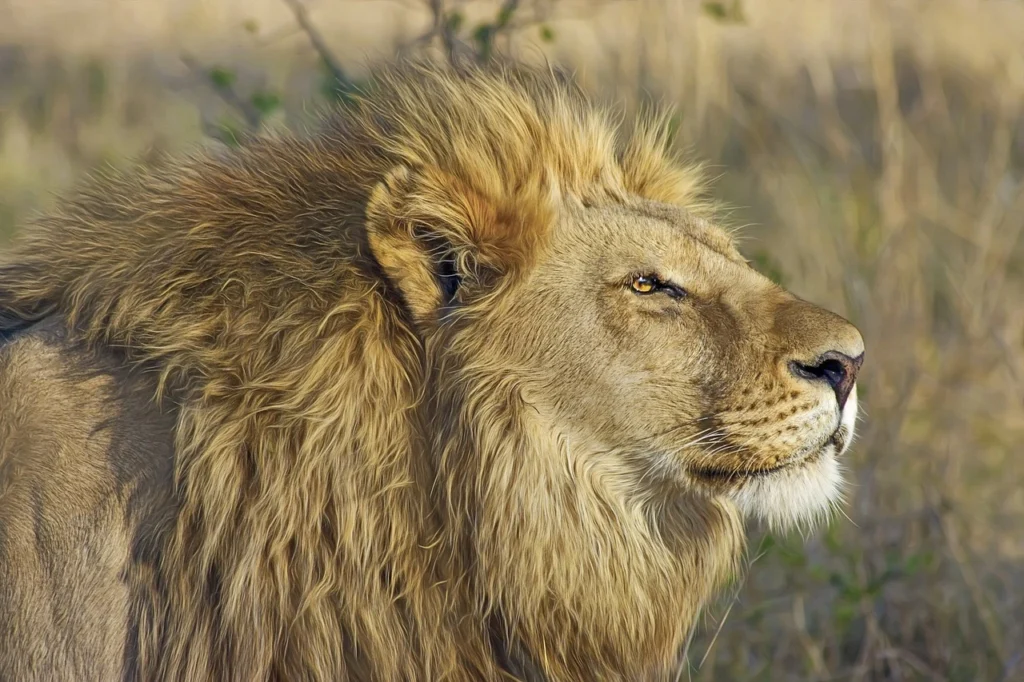
Hunting Strategies
Lions employ various hunting strategies to capture their prey effectively.
Group Hunting
Lions are known for their cooperative hunting behavior. They live in social groups called prides, consisting of multiple adult females, their offspring, and a few adult males. This social structure enables them to coordinate and execute group hunts, increasing their chances of a successful kill. By working together, lions can bring down larger prey and secure a steady supply of food for the pride.
Read: what eats lions?
Stalking and Ambushing
Lions are adept stalkers and ambush predators. They rely on their excellent camouflage and patience to get within striking distance of their prey. Once in range, they unleash a burst of speed, using their powerful muscles and sharp claws to overpower the targeted animal. This combination of stealth and brute force ensures a successful kill.
Opportunistic Feeding
In addition to active hunting, lions also scavenge opportunistically. They take advantage of carcasses left behind by other predators or animals that have died from natural causes. This scavenging behavior helps supplement their diet during lean times or when a chance for an easy meal presents itself.
Read: Can lion climb trees?
Dietary Variations in Different Lion Populations
Lions exhibit some dietary variations based on their geographical location and habitat. For instance, lions living near riverine areas may have access to fish, while those in coastal regions may occasionally consume marine life. These dietary adaptations highlight the lion’s ability to adjust their feeding habits based on the available resources within their environment.
Read: how fast can a lion run?
Human-Lion Conflict and Alternative Food Sources
Human settlements and encroachment into lion territories have resulted in increased conflict between humans and lions. As their natural prey becomes scarce, lions may turn to domestic livestock for food, leading to economic losses for farmers and retaliatory killings of lions. To mitigate this conflict, conservationists and communities are exploring alternative food sources for lions, such as establishing well-managed game reserves and introducing natural prey species to ensure a balance between human needs and wildlife conservation.
Final Thoughts On What Do Lions Eat?
Lions are magnificent predators that have evolved to specialize in hunting a wide range of herbivores and smaller carnivores. Their cooperative hunting strategies, stealth, and opportunistic feeding enable them to thrive in their natural habitats. However, with increasing human presence, conservation efforts must focus on minimizing conflict and preserving the lion’s natural prey base to ensure the survival of these majestic creatures.
FAQ
Do lions ever eat plants or grass?
Lions are primarily carnivores, but there have been rare instances of lions consuming grass or plant material. This behavior is believed to aid in digestion or may occur when prey is scarce.
Can lions eat other predators like hyenas or cheetahs?
While lions are capable of killing and eating other predators like hyenas or cheetahs, it is relatively rare. Lions usually prioritize hunting herbivores that provide a more substantial and accessible food source.
How much do lions eat in a day?
On average, adult lions consume around 10 to 15 pounds (4.5 to 7 kilograms) of meat per day. However, this can vary depending on the availability of prey and the size of the pride.
Do male lions participate in hunting?
Male lions often play a secondary role in hunting, as their primary responsibility is to defend the pride and its territory. However, they may join the hunt when targeting larger prey or during times of scarcity.
Are lions at risk of becoming extinct due to changes in their diet?
While changes in diet pose challenges for lions, their risk of extinction is primarily driven by habitat loss, poaching, and human-lion conflict. Conservation efforts are crucial to ensure their long-term survival.
Do lions eat humans?
While rare, there have been instances where lions have attacked and killed humans. However, it’s important to note that lions typically do not see humans as a natural prey source. Such incidents often occur when there is a disruption in the lion’s natural behavior, such as habitat encroachment or when humans unintentionally provoke or surprise lions.
Do lions eat grass?
No, lions are carnivores and do not eat grass as a part of their diet. Their digestive system is specialized for processing and extracting nutrients from meat. Grass and plant material are not a significant part of their food source.
Where do lions live?
Lions are found primarily in Africa, particularly in sub-Saharan Africa, where they inhabit various types of habitats such as grasslands, savannas, woodlands, and semi-arid regions. A smaller population of lions also exists in the Gir Forest of India.
What animal eats lions and tigers?
Lions and tigers, being apex predators, are generally not preyed upon by other animals in their natural habitats. However, in rare instances, when lions and tigers come into conflict with each other, they may engage in lethal territorial battles.
What animals do lions eat?
Lions prey on a variety of animals, primarily herbivores such as buffalo, zebra, wildebeest, warthogs, and gazelles. These animals make up the majority of a lion’s diet due to their abundance, availability, and nutritional value.
Do lions eat plants?
No, lions are obligate carnivores and do not consume plants as a significant part of their diet. They lack the specialized digestive system required to extract nutrients from plant material.
What does a tiger eat?
Tigers, like lions, are carnivores. They primarily prey on large herbivores such as deer, wild boars, and antelopes. Occasionally, tigers may also hunt smaller mammals, birds, and reptiles, depending on the availability of prey in their habitat.
Are lions carnivores?
Yes, lions are carnivores. They are apex predators that exclusively feed on meat and have evolved physical adaptations, such as sharp teeth and powerful jaws, to hunt and consume their prey effectively.


Last Updated on February 14, 2024 by israel olaniran
When it comes to the animal kingdom, colors play an essential role in distinguishing various species and even conveying crucial messages. Among the magnificent creatures that roam the earth, elephants stand tall with their majestic presence.
While most people might think of elephants as being simply grey, there is more to their color palette than meets the eye. In this article, we delve into the intriguing world of elephant colors, exploring the hues that adorn these gentle giants.
Read: how much does an elephant cost?
What Colors Are Elephant?
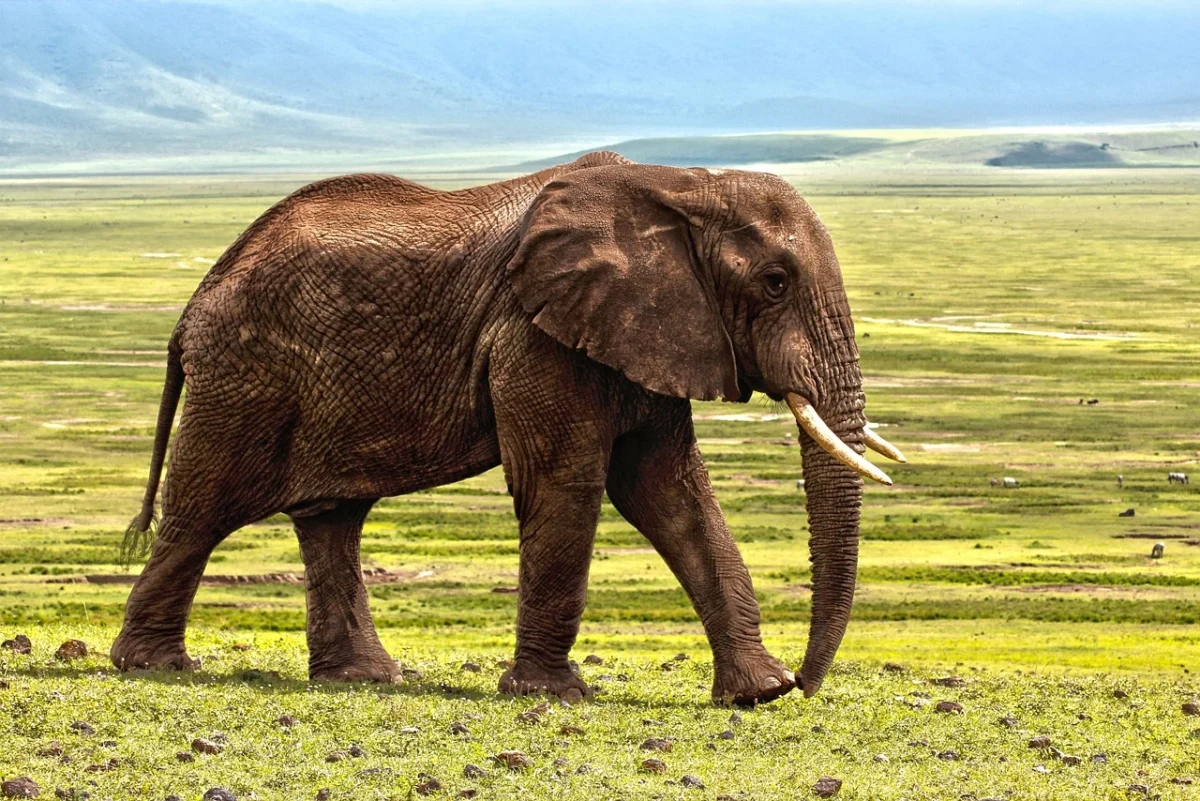
Elephants exhibit a range of colors, with African elephants typically displaying shades of grey, ranging from light to dark, and sometimes even appearing brown. On the other hand, Asian elephants boast a lighter grey skin color, with occasional patches of pink in specific areas such as behind their ears and on their trunks.
Notably, baby elephants are born with a reddish-brown or orange hue, providing camouflage within their environment, which gradually darkens and transitions to their species’ characteristic color as they mature. These magnificent creatures, adorned in their distinctive hues, continue to captivate the hearts of people worldwide.
Elephant Species and General Characteristics
Elephants belong to two main species: African elephants (Loxodonta africana and Loxodonta cyclotis) and Asian elephants (Elephas maximus). These awe-inspiring creatures boast an impressive size, with thick, wrinkled skin, elongated trunks, and large, ivory tusks (in some cases). But what about their colors?
Read: how much does a lion cost?
Skin Color Variation in Elephants
At first glance, elephants might appear predominantly grey, but their skin colors can exhibit subtle variations. These colors are not simply for aesthetics; they serve important purposes in their natural habitats.
Read: how much does a tiger cost?
🐾 Are you a dog owner who wants to ensure your dog gets the absolute best in terms of nutrition?
African Elephants: Grey and Brown Shades
African elephants, the largest land animals on earth, are renowned for their distinguished grey skin. However, their skin color isn’t a simple, uniform shade. The skin of African elephants can range from light grey to dark grey, even appearing brown at times. This color variation not only aids in camouflage within their habitats but also helps regulate body temperature.
The earthy hues of African elephants are further enhanced by their love of dust and mud baths. These playful activities serve a dual purpose: cooling off in the scorching African sun and adding an extra layer of color as a protective barrier against the harsh elements.
Asian Elephants: Light Grey and Pink Patches
In contrast to their African counterparts, Asian elephants flaunt a lighter shade of grey. Their skin often appears smoother, with occasional patches of pink. The pink patches are more prominent in certain areas, such as behind their ears and on their trunks.
The unique pink patches on Asian elephants’ skin are thought to be a result of increased blood circulation beneath the skin. Just like African elephants, Asian elephants also enjoy dust baths, which help maintain their distinctive skin color while keeping pesky insects at bay.
Baby Elephants: Born with Different Colors
Curiously, baby elephants are not born with the same skin color as adults. Instead, they sport a reddish-brown or orange hue, which might surprise some. This distinct coloration is perfectly suited to the young ones, as it provides them with camouflage within their surroundings.
As baby elephants grow older, their skin gradually darkens and takes on the color typical of their species. This transformation is one of the many wonders of nature.
Factors Affecting Elephant Skin Color
Several factors influence the skin color of elephants, both young and old. Age, diet, and overall health can contribute to variations in skin color. Elephants that have access to a diverse and nutrient-rich diet tend to display healthier skin, while those lacking proper nutrition might exhibit paler shades.
Furthermore, the environment in which elephants live plays a crucial role. A healthy and vibrant habitat translates to healthier and more colorful elephant skin.
Human Interaction and Elephant Skin Color
Unfortunately, human activities have also impacted elephant populations and, consequently, their skin color. Pollution, deforestation, and climate change have led to habitat degradation, affecting the overall health of elephant herds. Poaching, driven by the illegal ivory trade, has also harmed elephant populations, making it vital to protect these magnificent creatures and their environment.
Read: how much does a bear cost?
Symbolism and Cultural Beliefs About Elephant Colors
Elephants hold significant cultural symbolism in various parts of the world. In some cultures, their colors are associated with prosperity, wisdom, and good fortune. These awe-inspiring animals have inspired numerous stories and beliefs, becoming symbols of strength and resilience.
Read: how much does a rhinoceros cost?
Conservation and Protection Efforts
As we marvel at the diversity of elephant colors and their significance, it becomes evident that preserving their populations and habitats is crucial. Conservation efforts, including the establishment of elephant sanctuaries and protected areas, play a vital role in ensuring the survival of these gentle giants for generations to come.
Final Thoughts On What Colors Are Elephant?
Elephants, with their magnificent presence and extraordinary colors, have captivated the hearts of people around the world. From the grey shades of African elephants to the lighter tones of Asian elephants, these majestic creatures never fail to amaze. As we learn more about their colors and the factors influencing them, let us also embrace the responsibility of safeguarding these incredible animals and their habitats.
Do all elephants have the same skin color?
No, elephants exhibit variations in skin color based on their species, age, and environmental factors.
Why do baby elephants have a different color than adults?
Baby elephants are born with a reddish-brown or orange color, providing camouflage within their surroundings.
What purpose do dust baths serve for elephants?
Dust baths help elephants cool off, protect their skin, and keep insects at bay.
What is the significance of pink patches on Asian elephants?
Pink patches on Asian elephants are thought to result from increased blood circulation beneath the skin.
How can we contribute to elephant conservation?
Supporting elephant sanctuaries, spreading awareness, and promoting responsible tourism are ways to contribute to their conservation.
What colors are real elephants?
Real elephants exhibit various colors, with African elephants typically displaying shades of grey, ranging from light to dark, and sometimes even appearing brown. Asian elephants have a lighter grey color with patches of pink in certain areas.
How many colors of elephants are there in the world?
There are primarily two colors of elephants: African elephants, which display grey and brown shades, and Asian elephants, which have a lighter grey color with pink patches.
Why are elephants black in color?
Elephants are not predominantly black; they are mostly grey with variations in shade. The darker color serves as camouflage and protection in their habitats.
Indian elephant color?
Indian elephants, a subspecies of Asian elephants, typically have a lighter grey skin color with occasional patches of pink.
What do elephants eat?
Elephants are herbivores and primarily feed on a variety of plant matter, including grass, leaves, fruits, and bark. Their diet may vary based on their habitat and seasonal availability of food.

30 Fascinating Facts About Dogs You Probably Didn’t Know.

30 Interesting Facts About LoveBirds

The Majestic Tibetan Mastiff: A Symbol of Strength and Loyalty


-

 Domestic Animals3 years ago
Small But Smart: 10 Most Intelligent Small Dog Breeds
-

 Domestic Animals4 years ago
Why Do Dogs Look Away When You Eat
-
Wild Animals4 years ago
What Does Snake Poop Look Like? PICTURES & VIDEOS
-
Domestic Animals3 years ago
Why Does My Cat Sleep On My Feet? Best Reasons
-

 Pet News3 years ago
Trending Now: Woman Raised A Panther Thinking It Was A Cat.
-
Domestic Animals4 years ago
Can Guinea Pigs Eat Pears? All You Need To Know (2023)
-
Domestic Animals4 years ago
Can Guinea Pigs Eat Oranges? ALL You Need To Know!
-
Insects3 years ago
Australian Stick Bug: ALL You Need To Know.


